Powell River Top General Contractor for Quality Construction Services
Powell River Top General Contractor for Quality Construction Services
Blog Article
General Contractor: Your Leading Expert for Home Work
A general contractor maintains an essential position in building projects. They handle various components of building operations, ensuring that all work proceeds without incident. Their expertise of construction regulations and standards allows them to navigate the complexities of permits and reviews. This knowledgeable professional serves as an important link between homeowners and trade contractors. Still, many homeowners remain confused about the full scope of their services. Understanding these points can have great importance for the success of any renovation project.
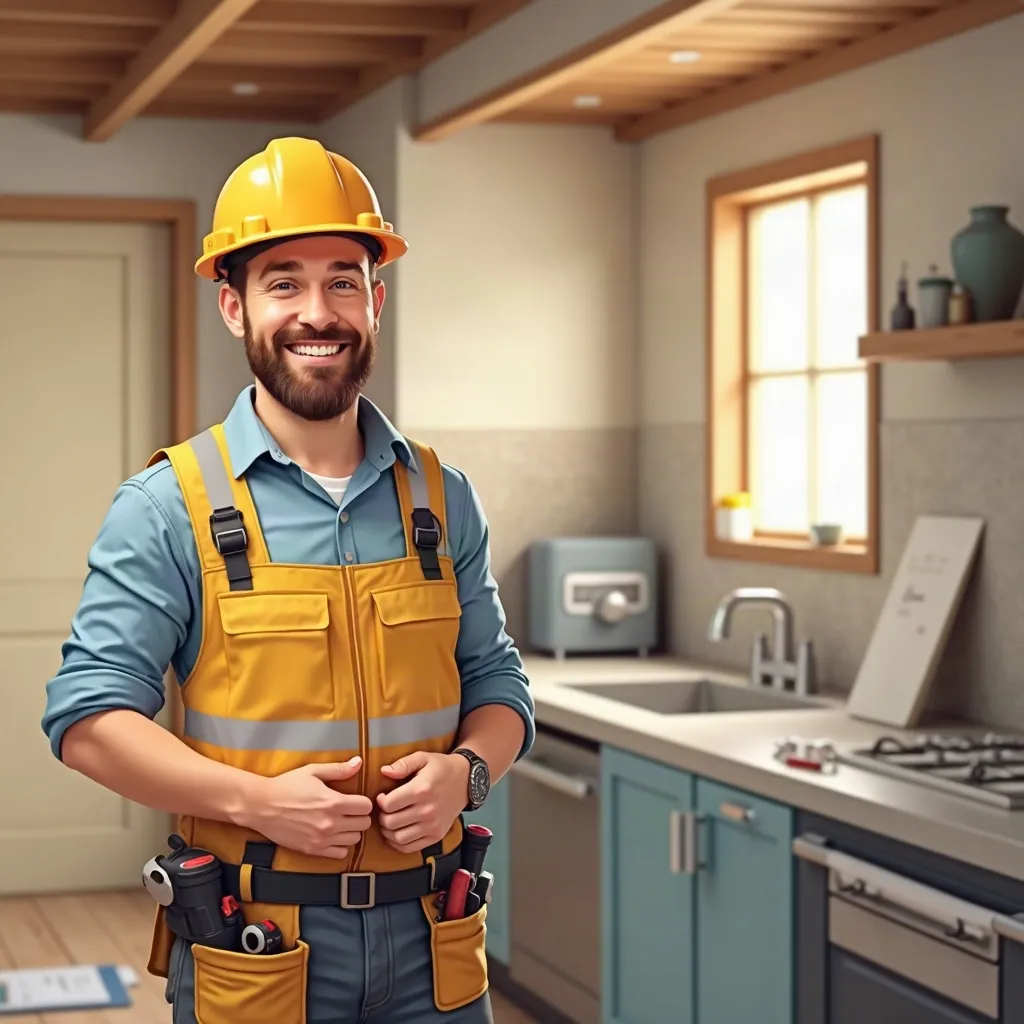
What Is the Role of a General Contractor Perform?
A construction coordinator orchestrates the various elements of a structural project, confirming that everything runs smoothly from opening to closing. They represent the primary point of contact, directing interactions between clients, subcontractors, and suppliers. This function requires planning the construction calendar, arranging personnel, and upholding adherence with local building codes and ordinances.
General contractors are in charge of obtaining necessary permits and scheduling inspections, which are essential to upholding safety and quality benchmarks. They also handle budget planning, material procurement, and overseeing site operations to prevent any possible setbacks or complications. In addition, they supervise subcontractors, ensuring that each phase of construction conforms to project specifications and timelines. Overall, a general contractor's knowledge and management abilities are essential to completing a successful construction project, turning a client's vision into reality while balancing multiple tasks and responsibilities.
Benefits of Hiring a General Contractor for Home Renovations
Engaging a a general contractor for home renovations delivers numerous advantages that can significantly boost the quality and efficiency of the project. General contractors offer expertise in overseeing projects, ensuring that schedules are followed and resources are allocated efficiently. Their solid connections with trade professionals can result in better rates and superior workmanship, which in turn benefits property owners by saving both time and money.
Moreover, construction managers oversee the intricate details of licensing and compliance, minimizing potential legal issues. They also provide a single point of contact, simplifying communication and coordination among different contractors. This streamlining reduces the likelihood of confusion and setbacks.
Moreover, their experience permits them to foresee upcoming obstacles, making possible proactive solutions to maintain the project on track. By retaining a general contractor, homeowners can focus on their vision while gaining peace of mind, knowing that a professional is overseeing every aspect of the renovation.
Refuting False Notions About General Contractors
While many property owners may believe false notions about contracting experts, understanding the facts can result in more sound decisions. One common myth is that hiring a general contractor is unnecessary for small projects; nevertheless, their expertise can streamline even minor renovations, guaranteeing compliance with local codes. Another common belief is that general contractors are merely middlemen, but they frequently have in-depth knowledge in several disciplines, enabling them to manage projects efficiently. Additionally, some clients believe that working with a contractor will significantly inflate costs. In fact, a skilled contractor can often negotiate better pricing for materials and labor due to established relationships with vendors and subcontractors. Lastly, many consider that contractors are inflexible, but dependable contractors value client communication and collaborate closely to address unique needs. Resolved myths can empower clients to capitalize on the true value of general contractors in achieving productive home projects.
Finding the Perfect General Contractor?
How can property owners ensure they choose the right construction professional for their projects? The procedure starts with comprehensive investigation. Property owners should obtain suggestions from friends, family, and online reviews to identify qualified contractors. Once a list is created, verifying credentials, such as licensing, insurance, and bonding, is crucial to verify legitimacy.
Next, property owners should request and review collections of past projects, focusing on projects similar in scope. Setting up interviews allows property owners to gauge compatibility, discussing schedules, costs, and requirements. It's also recommended to get several estimates for comparison, providing a clear understanding of costs.
Assessing references provides insight into a contractor's dependability and expertise. Finally, following your intuition is essential; an opening discussion can reveal much about a contractor's way of communicating and methodology. By adhering to these guidelines, homeowners can markedly increase their likelihood of picking a general contractor who matches their project needs and vision.
Proven Conversation Techniques Alongside Your General Contractor
What methods can homeowners utilize to secure effective communication with their general contractor? Initiating transparent discussion from the beginning is essential. Homeowners should plainly communicate their desires, project objectives, and cost parameters during preliminary talks. Ongoing reports can be facilitated through planned discussions, confirming that both parties remain coordinated throughout the project.
Written documentation, including email records and project logs, helps reinforce verbal agreements and reduces miscommunications. Homeowners should also encourage transparent communication by soliciting comments and inquiries from the contractor, creating a collaborative environment.
Furthermore, taking advantage of tech solutions, such as project management apps, can facilitate communication by establishing a centralized location for conveying updates, timelines, and changes. Finally, maintaining politeness and approachability can deepen mutual understanding, making it more straightforward for the contractor to discuss challenges or suggestions with success. By putting into practice these strategies, homeowners can establish a fruitful and transparent relationship with their general contractor.
What Lies Ahead When Your Initiative Gets Started?
When the initiative commences, homeowners should prepare for a surge of movement on-site. The general contractor will oversee teams of skilled tradespeople, comprising electricians, plumbers, and carpenters, who will begin their find out more work in accordance with the agreed-upon schedule. Homeowners may spot large equipment and supplies being transported, producing a active environment.
Open dialogue is crucial during this stage. The contractor will communicate progress updates and handle any concerns that surface. Homeowners should ready themselves for potential disruptions, such as acoustic disturbances and limited entry to certain areas of the home.
Safety measures will be in place to defend both workers and residents, ensuring a secure environment. Additionally, homeowners may be encouraged to sustain flexibility, as unexpected circumstances can arise, compelling adjustments to the original plan. Overall, this initial phase sets the stage for the successful completion of the project, and active engagement is essential.
Essential Questions for Your General Contractor Agreement?
Deciding which questions to raise when finalizing a general contractor agreement is important for ensuring a trouble-free project. Homeowners should ask about the contractor's license and insurance to check their credentials and protection against legal exposure. Understanding the project schedule and goals is significant; therefore, asking about expected completion dates helps align expectations.
It is also important to clarify payment terms, including deposit amounts and payment schedules, to avoid confusion. Property owners should request a comprehensive itemization of costs, covering supplies and labor, to guarantee transparency. Additionally, discussing the process for managing modifications or unforeseen issues can prevent conflicts later on.
Lastly, property owners must seek information about the qualifications of subcontractors, as well as the communication approach of the contractor throughout the project. By addressing these questions, homeowners can foster a productive relationship with their primary contractor, ultimately resulting in a successful home project.
Frequently Asked Questions
How Will General Contractors Set Their Charges for Services?
General contractors typically bill through set prices, hourly rates, or a portion of the overall project expense. Their costs may also encompass materials, work, and operational expenses, depending on the complexity and extent of the project.
Can a General Contractor Give Help With Requirements and Inspections?
Yes, a general contractor can assist with securing permits and overseeing inspections. They typically handle local codes and ensure compliance, simplifying the workflow for homeowners while facilitating necessary approvals throughout the construction project.
What Qualities Should I Determine in a General Contractor?
When picking a construction firm, one should review qualifications such as valid licensing, comprehensive insurance, experience in relevant projects, strong references, and strong interpersonal abilities, ensuring they demonstrate the necessary expertise to handle the project with success.
How much time Does a Standard Home Remodeling Project Require?
A standard home renovation project can require anywhere from a few weeks to several months, based on the scale, complexity, and size of the project, as well as the accessibility of materials and labor.
What Occurs if My Undertaking Exceeds Cost Allowance?
If a project exceeds the budget, the builder usually talks through the reasons and options with the homeowner. Changes may consist of scaling back, seeking additional funding, or revising the project scope to align with financial limits.
Report this page